
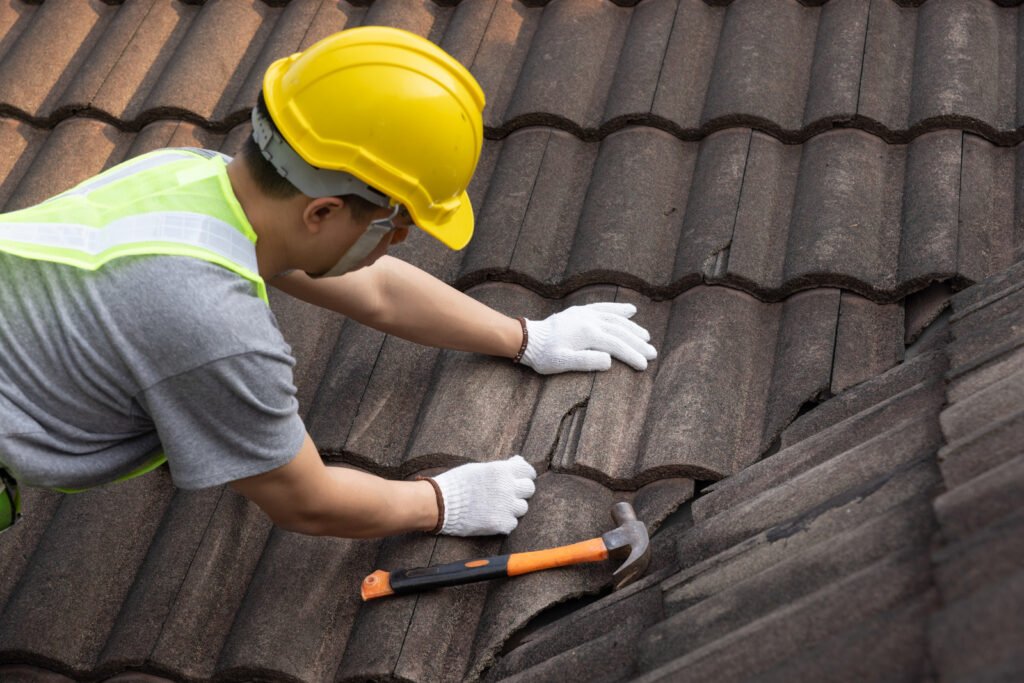
If water is dripping onto your landing floor, you already know the answer. Most situations are far less obvious than that. Homeowners searching for emergency roof repairs Cork tend to fall into two categories: those who delay the call until the damage becomes expensive, and those who lose a night’s sleep over a problem that could safely wait until Tuesday.
This guide explains how to tell the two apart. It covers the warning signs that need emergency roof repairs Cork roofers can attend tonight, the problems that can wait a few days, and the practical steps you can take while waiting for a professional to arrive.
What actually counts as a roofing emergency?
A roofing emergency is any problem where delay increases the damage or where part of the roof has become a danger to anybody underneath it. That is the entire test for emergency roof repairs in Cork or anywhere else.
Cork’s climate is what turns minor faults into expensive ones. Atlantic rainfall, salt-laden coastal air and sudden storms mean a single missing slate can soak the roof timbers within a day or two. The repair itself might be relatively minor, but the ceiling, insulation and electrical rewiring underneath it certainly are not.
Six signs you need emergency roof repairs Cork homeowners should never ignore
- Water is entering the property whenever it rains An active roof leak is the clearest indicator of all. If you can hear dripping, watch a damp patch spreading across the ceiling, or find yourself catching water in a basin, that justifies a same-day call. Water travels a long way along timbers before it shows, so the entry point is rarely directly above the stain you can see.
- Slates or ridge tiles have landed on the ground Roofing material in your garden or on the footpath means two problems at once, because your roof is now open to the weather and whatever is still loose up there could fall onto a person, a vehicle or a neighbour’s property. After a storm, walk the perimeter of the house and look. Anything on the ground is a fair reason to arrange emergency roof repairs Cork-wide.
- You can see daylight through the attic Go up with a torch on a bright day, turn the torch off, and let your eyes adjust. Pinpricks of daylight mean gaps in the covering. Wet felt, damp insulation or a musty smell suggests water has been entering for some time.
- The ceiling is sagging or visibly bulging A bulge means water is pooling above the plasterboard, and soaked ceilings collapse all at once rather than gradually, which is exactly what makes them dangerous. Move the furniture out, keep everybody out of that room, and phone a roofing contractor now rather than waiting until the morning.
- Your flat roof is holding water after a storm Ponding on a flat roof above an extension or garage means the falls or the felt membrane has failed, and once that membrane splits, water reaches the timber deck underneath very quickly. Ageing flat roofs from the 1980s and 1990s are common across Cork City and the surrounding areas. They are one of the most common reasons for roof repairs Cork homeowners arrange after heavy rain.
- Lead or flashing has lifted around a chimney Lifted flashing lets driving rain track straight down the chimney breast, and the resulting damp often appears on an internal wall a considerable distance from the roof itself. One windy night can turn a lifted lead apron into a stripped one.
Signs that are urgent, but not tonight
Not every fault justifies a two o’clock callout. Book a proper inspection within a week or two for the following instead:
- Moss accumulating along ridges and north-facing slopes
- Cracked or hairline-split concrete tiles
- Gutters overflowing or sagging away from the fascia boards
- Mortar crumbling out of the ridge and hip joints
- Small, dry ceiling stains that have not changed in months
- Any roof over thirty years old that has never been inspected
None of these will flood your house tonight, but each one becomes more expensive the longer it sits, and several will quietly develop into a full roof replacement if they are ignored for another five years.
What to do before the roofer arrives
You can limit the damage a lot without going near a ladder:
- Move what matters. Furniture, electronics and anything valuable should come out of the room.
- Catch the water. Use a basin or bucket on a towel to stop splashing onto the floorboards.
- Relieve a bulging ceiling. If you are happy to do it, pierce the lowest point of the bulge with a screwdriver and let the water drain into a bucket. Although it sounds completely wrong, it usually saves the entire ceiling.
- Cut the power to that room at the fuse board if water is anywhere near the light fittings.
- Take photos. Take date-stamped pictures of the damage inside and outside the house.
- Stay off the roof. Wet slate is lethal, and most serious falls happen from ladders rather than roofs.
Storm damage and roof repairs Cork insurers will cover
Most Irish home insurance policies cover storm damage but exclude gradual wear, and that distinction matters. If a named storm lifted your ridge tiles, you probably have a claim. If the mortar had been crumbling for a decade beforehand, you probably wouldn’t.
Photograph everything before any temporary repair goes on. Ask your roofer for a written assessment of all the damage identified, not simply the obvious element, and keep it for the insurer, as any reputable contractor will supply it as part of the roofing work.
How quickly should an emergency repair service respond?
For genuine emergency roof repairs, Cork firms should make contact within the hour and have somebody on site the same day, or first thing the next morning at the latest. A professional roofing team will make the roof safe and watertight first, then return to do the permanent fix properly once the weather allows.
Be wary of anybody who quotes for a full roof replacement over the phone before inspecting the roof, because honest roofing services identify the underlying cause rather than merely the symptom, and a reputable firm will tell you when a €200 repair will do the job.
Choosing a company for roof repairs Cork-wide
Look for a contractor who handles roof repairs Cork City and county and covers your part of the surrounding areas. They should carry public liability insurance, give a free, no-obligation quote in writing, and guarantee the work. Check recent Google reviews and ask neighbours who they used previously. Call a roofer who comes highly recommended locally and who covers a wide range of roofing work, from a single slipped slate to a full re-roof, before the next storm arrives rather than during it.
Not sure how bad it is? Contact Smart Roofing and Have the roof professionally inspected. An inspection costs nothing with most companies handling roof repairs in Cork-wide, and it comfortably beats guessing at midnight with a bucket.